
Living in Tomball, TX: A Houston-Area Suburb Guide
Author
JaseBud
Date Published
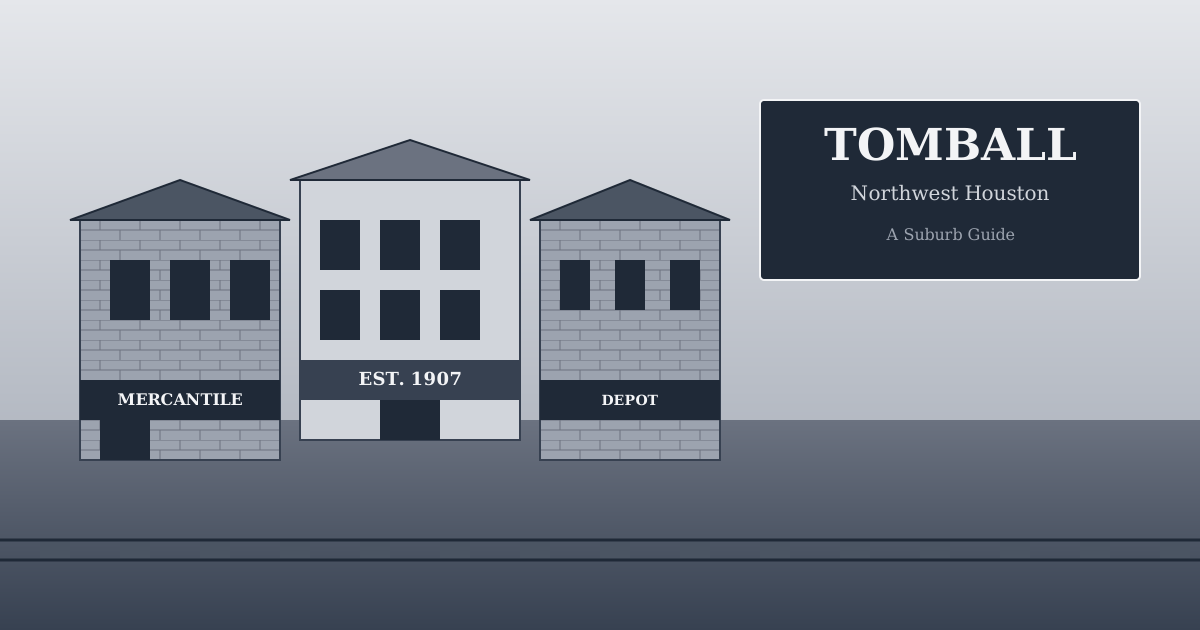
Tomball sits about 30 miles northwest of downtown Houston, a Harris County suburb where a railroad-era Main Street still anchors a town that has nearly doubled since 2000. Founded in 1907 along the Trinity & Brazos Valley Railway, Tomball grew up as a depot town, then a German-American farming community, and now as one of the fastest-expanding pockets of northwest Houston. The city proper holds roughly 12,000 residents, but the Tomball ZIP codes stretching west toward the Grand Parkway add tens of thousands more.
What makes Tomball different from the sea of newer master-planned suburbs is that it still has a real downtown. Old Town Tomball runs along Main Street with brick storefronts, antique shops, beer halls, and the Tomball Depot, a restored 1907 rail station that anchors community events. The German heritage runs deep here, and the annual Tomball German Festival each March pulls in more than 80,000 visitors over three days for bratwurst, polka, and Texas-style oompah.
Where Tomball Sits in Greater Houston
Tomball anchors the northwest quadrant of Harris County, near the border with Montgomery County. SH 249 cuts through town as the main north-south spine, while FM 2920 runs east-west and connects to The Woodlands. The Grand Parkway (SH 99) opened its western segments nearby and now ties Tomball directly to Cypress, Katy, and the western Energy Corridor. Drive time to downtown Houston runs 35-50 minutes outside rush hour and over an hour during morning peaks on the Tomball Tollway. For workers who commute into the city, the I-10 corridor and 290 are the two main alternatives, both accessible through surface streets.
The Old Town Tomball Anchor
Old Town Tomball is the reason this suburb feels different from Cypress or Spring. Main Street is walkable, with one- and two-story brick buildings dating to the 1910s and 1920s. Tomball Depot operates as a small museum and event venue. Wine bars, taprooms, antique malls, and family restaurants line both sides. On weekends Main Street fills up with farmers markets, classic car nights, and the year-round event calendar that the Greater Tomball Area Chamber of Commerce maintains.
If you want a deeper look at what to do here, see our roundup of things to do in Tomball and the best restaurants in Tomball.
Schools and Family Life
Tomball ISD is the headline draw for families. The district is consistently rated among the strongest in the greater Houston area, with TEA accountability scores that compete with the better-known suburban districts. Tomball High and Tomball Memorial High are the two large traditional comprehensive high schools, joined by a growing slate of K-8 campuses as enrollment expands west. We cover the district in depth in our Tomball ISD parent guide.
Lone Star College-Tomball, the system's flagship northwest campus, sits on a wooded site off Tomball Parkway and serves as a pipeline into the medical workforce thanks to a partnership with HCA Houston Healthcare Tomball, the local hospital.
Real Estate Snapshot
Tomball's housing stock splits into two worlds. Inside the loop of Old Town and along older established streets, you find ranch homes and 1980s-90s subdivisions priced from the mid-$200s into the low $400s. West of SH 249, new master-planned communities like Woodtrace, Treeline, and Toll Brothers' Oakhill Reserve push prices into the $400s through $600s and beyond. We break down the full market in our Tomball real estate guide.
Weather and What to Plan For
Tomball gets the same Gulf Coast climate as the rest of Houston: hot, humid summers and mild winters with occasional hard freezes. Hurricane season runs June through November, and although Tomball sits inland enough to avoid storm surge, wind and inland flooding from tropical systems do reach here. Our Houston hurricane preparation guide and flood zones map cover what every northwest Houston household should know before the next storm.
What to Know Before You Move
- Property taxes run high — Texas has no state income tax, and Tomball homeowners pay roughly 2.2-2.8% effective rates depending on MUD and school district overlays.
- Commute realistically — SH 249 Tollway and the Grand Parkway make Tomball reachable, but rush-hour traffic into the Energy Corridor or Galleria adds 30-45 minutes.
- Old Town vs new build — decide whether you want the walkable historic core or a master-planned amenity package; pricing and lifestyle differ sharply.
- Hurricane prep matters — even 30 miles inland, wind and rain from major storms reach northwest Houston.
- The festival calendar is real — Tomball German Festival, Night of Lights, and the year-round Main Street markets shape the social scene more than in most Houston suburbs.
Is Tomball Right for You?
Tomball fits buyers who want suburban schools and new-build options without giving up a sense of place. The historic downtown, the German heritage, and the genuinely walkable Main Street separate it from the cookie-cutter feel of some surrounding ZIPs. The trade-off is distance — you are committing to a long drive into central Houston, and access to the METRO transit network is limited compared with closer-in neighborhoods. If you have visited as a tourist, our two-day Houston itinerary and best time to visit Houston guides will help frame what living here looks like year-round.

A Houston neighborhoods guide to all 33 covered areas — from Montrose and The Heights to Katy, Sugar Land, and Clear Lake. Pick the right one for you.