
How Rice University and Hermann Park Shaped a Century of Houston Growth
Author
Date Published

The relationship between Houston institutions Rice University and Hermann Park stretches far beyond the boundaries of a light-rail stop. For more than a century, the two landmarks have grown alongside one another, influencing the city’s culture, recreation, and public life. A recent article by the Rice Thresher revisits this long-standing connection, showing how the pair became intertwined through planning, philanthropy, and shared civic purpose.
When Rice University opened in 1912, Hermann Park was still in its planning stages. Both were seen as pillars of a modern, expanding Houston. The park offered green space and leisure areas reflective of the City Beautiful movement, while Rice brought academic ambition and architectural vision. Their proximity encouraged the public to move easily between campus and park, building a natural link that would strengthen over the decades.
This connection evolved further as major civic projects reshaped the area. The development of the Houston Museum District, the expansion of the Texas Medical Center, and the long-term restoration efforts within Hermann Park deepened the relationship between the university and its neighbor. Students, residents, and visitors used the park as an extension of campus life, while community events and recreational amenities drew Houstonians to the shared district.
What the Connection Means Today
In recent years, transit improvements have underscored the ongoing partnership. The METRORail stop that serves both Rice University and Hermann Park is often viewed as a symbol of their shared relevance. More than a station, it reflects a broader vision for an accessible, connected Houston where institutions support each other’s growth.
As park revitalization projects continue and Rice expands research and academic facilities, their closeness remains an asset. The blend of educational, cultural, and environmental space contributes to the district's appeal for students, families, and visitors. It also boosts Houston’s identity as a hub for innovation and outdoor living.
Why It Matters
Understanding this shared history helps explain how central Houston developed the way it did. The area around Rice University and Hermann Park is one of the city’s most visited regions, hosting museums, hospitals, trails, performance spaces, and academic facilities. Their combined presence continues to shape the city’s growth, property values, and cultural landscape.
As urban planners and community leaders consider the future of central Houston, the longstanding relationship between Rice and Hermann Park remains a model for how institutions and public spaces can support one another while enriching the broader community.
This article is a summary of reporting by The Rice Thresher. Read the full story here.

Plan a Houston Zoo visit: how timed tickets and Flex Pricing work, free Tuesdays, where to park in Hermann Park, the exhibits to see first, and heat tips.
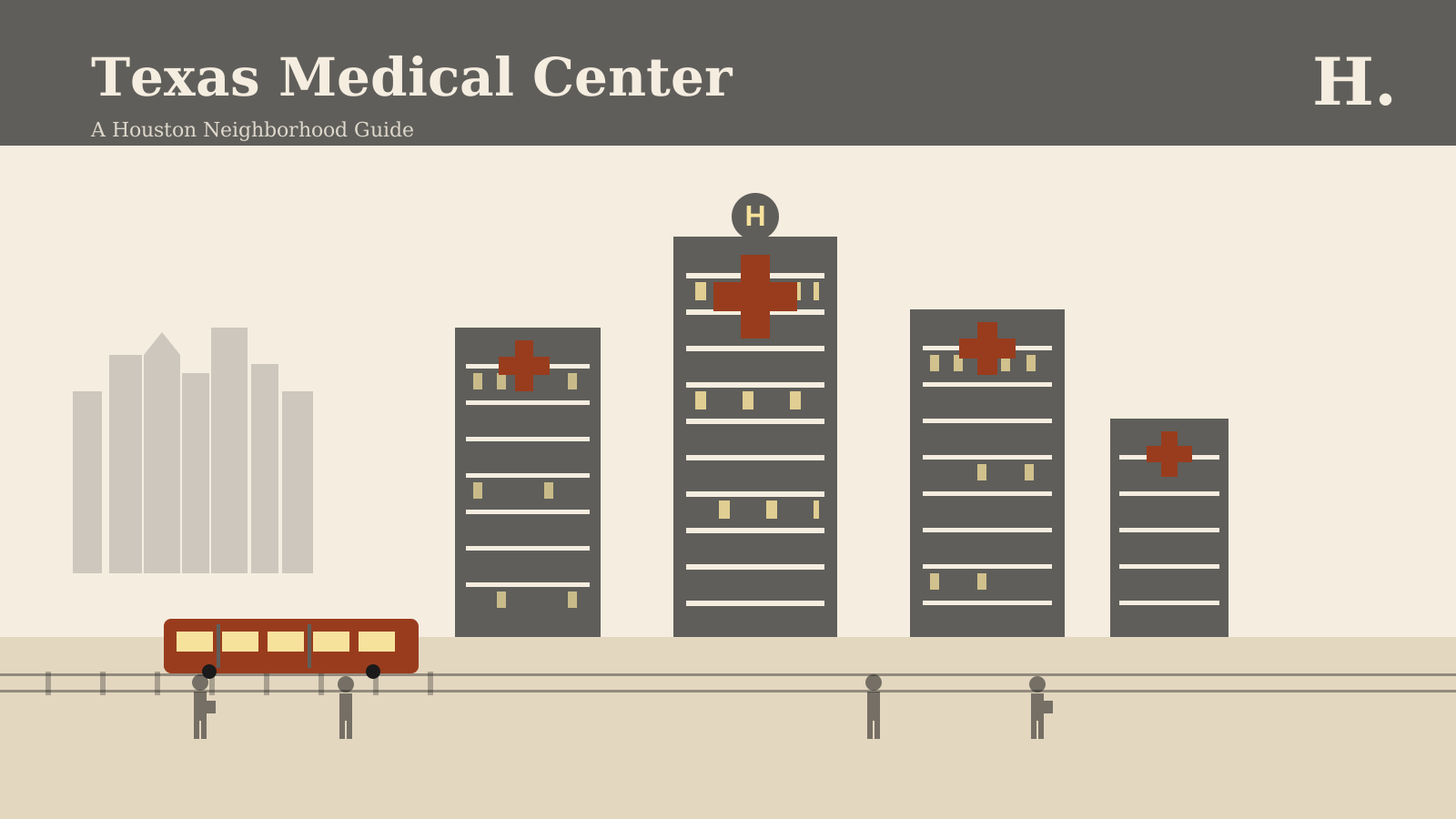
A Houston neighborhood guide to the Texas Medical Center area: the 1,345-acre TMC campus, METRORail Red Line access, hospital-adjacent housing, schools, and what life looks like here.
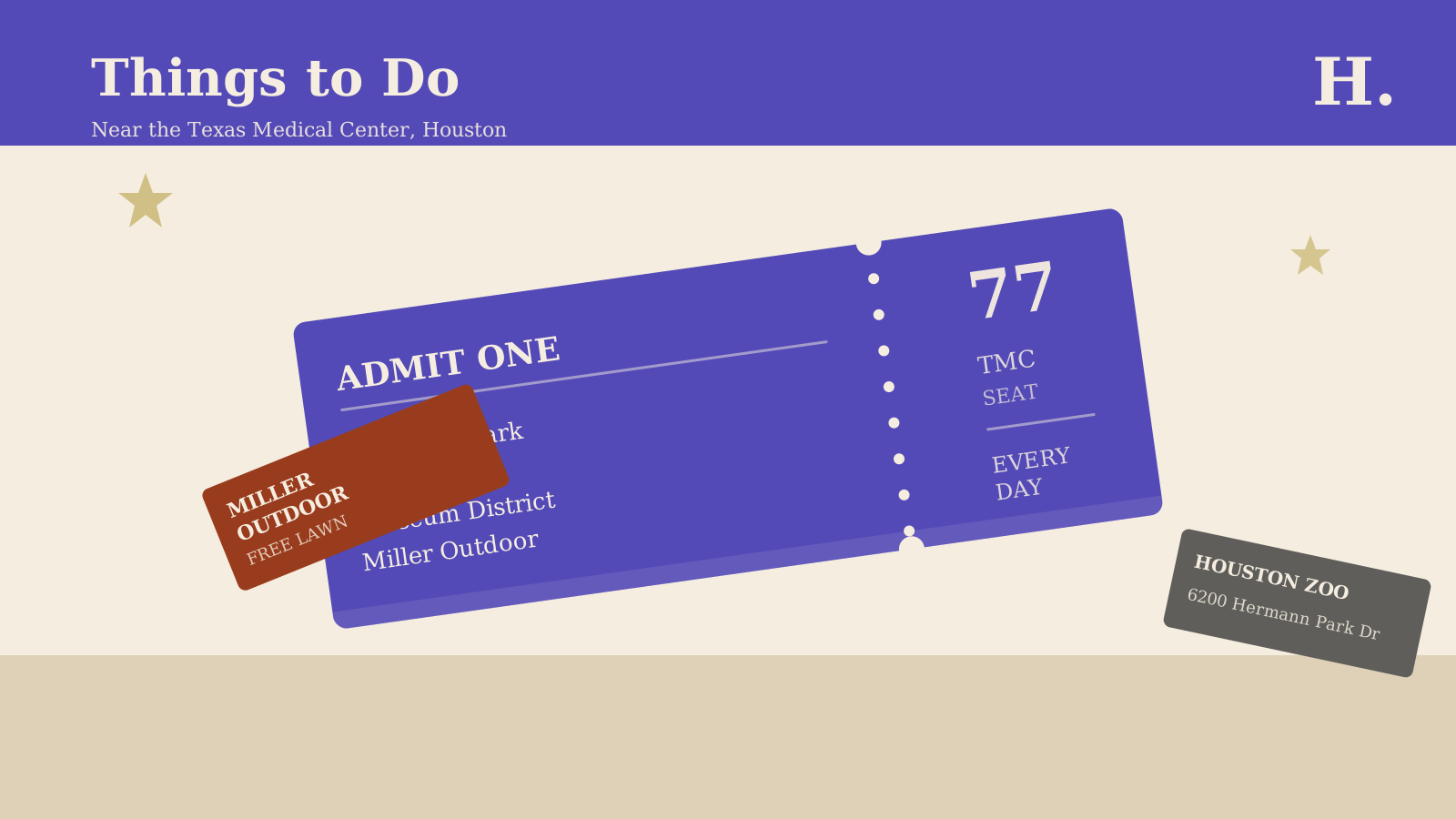
Things to do near the Texas Medical Center in Houston: Hermann Park, the Houston Zoo, the Museum District, Miller Outdoor Theatre, and the walkable spots that work for patient families and TMC staff.

Plan a 2026 visit to Houston Botanic Garden: hours, tickets, parking, Radiant Nature dates, and how it compares to other botanical gardens in Houston.